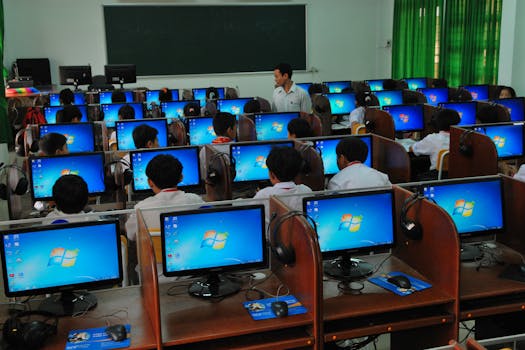
In today’s fast-evolving technological landscape, computer science summer camps are becoming an increasingly popular choice for students eager to immerse themselves in the world of computing. These camps offer a wealth of opportunities to explore programming, algorithm design, and other computer science fundamentals. Whether you’re a young student looking to kickstart your interest in technology or a seasoned enthusiast seeking to refine your skills, computer science summer camps provide a stimulating environment to enhance your learning experience.
The Importance of Computer Science Summer Camps
Computer science summer camps serve as a gateway to the digital world. They play a crucial role in nurturing the next generation of tech-savvy individuals by providing hands-on experience in a variety of programming languages and technologies. These camps aim to develop problem-solving skills, enhance creativity, and encourage collaboration among participants.
Attending a computer science summer camp can significantly benefit students and young professionals by introducing them to the latest technological advancements. These camps often feature workshops and sessions led by industry experts, offering insightful perspectives on the current and future trends in computer science.
Skills Development and Enrichment
Participants in computer science summer camps can expect to gain a comprehensive understanding of several key areas, including:
- Programming Languages: Learn popular languages such as Python, Java, C++, and JavaScript.
- Algorithm Design: Understand the principles of algorithms and how to apply them effectively.
- Data Structures: Explore various data structures and their applications in software development.
- Cybersecurity: Gain foundational knowledge in securing systems and protecting data.
Networking and Collaboration
One of the significant advantages of attending computer science summer camps is the opportunity to network with like-minded individuals. Participants can collaborate on group projects, share ideas, and build relationships that might benefit their future careers. These interactions foster a team-oriented approach, which is crucial in today’s interconnected world.
Exploration of Emerging Technologies
In addition to learning foundational skills, summer camps often introduce participants to cutting-edge technologies like artificial intelligence, machine learning, and blockchain. Exposure to these areas can inspire students to pursue further education and careers in these exciting fields.
Choosing the Right Computer Science Summer Camp
With a plethora of options available, selecting the right camp can be daunting. Here are some factors to consider:
- Curriculum: Ensure the camp offers a well-rounded curriculum that aligns with your interests and goals.
- Instructor Expertise: Look for camps with experienced instructors who can provide valuable mentorship.
- Hands-on Experience: Opt for camps that emphasize practical learning through projects and interactive sessions.
- Reputation and Reviews: Research and consider the camp’s reviews and testimonials from past attendees.
Online vs. In-Person Camps
The pandemic has seen a rise in online computer science summer camps, providing flexibility to learn from anywhere. However, in-person camps offer a more immersive experience with face-to-face interactions. Deciding between online and in-person depends on personal preferences, learning style, and logistical considerations.
Preparation and Expectations
Before attending a camp, it’s advisable to brush up on basic computer science concepts. Setting realistic expectations and being open to learning will enhance your camp experience. Additionally, utilize resources like our guide on computer courses for career advancement to understand potential pathways after camp.
Future Implications of Attending Computer Science Summer Camps
Participating in computer science summer camps can set the stage for future successes in academia and the workplace. As technology continues to evolve, the skills and knowledge gained from these camps will be indispensable in numerous fields beyond traditional IT sectors.
Moreover, a solid foundation in computer science can open doors to opportunities in industries like finance, healthcare, and entertainment, where technology plays an integral role. By understanding and leveraging emerging technologies, camp participants can become leaders and innovators in their chosen careers.
For more insights into how computer science is shaping careers, visit this educational resource.
- Computer science summer camps provide practical experience and skill development.
- Students gain exposure to programming, algorithms, and emerging technologies.
- Networking opportunities facilitate collaboration and future career growth.
- Choosing the right camp involves considering curriculum, instructor expertise, and format.
- Preparation enhances the learning experience and sets the stage for future success.
FAQs
What age group can attend computer science summer camps?
These camps typically cater to a wide range of age groups, from elementary school students to college undergraduates. Programs are often tailored to the experience level of participants.
Do I need prior experience in computer science to attend a camp?
No, many camps are designed for beginners and will teach foundational concepts. There are also advanced camps for those with prior experience looking to deepen their knowledge.
How can computer science summer camps impact my career?
Attending these camps can significantly enhance career prospects by providing hands-on experience, and up-to-date knowledge, and by improving problem-solving and critical thinking skills.
Are scholarships available for these camps?
Yes, many organizations and camps offer scholarships to make their programs accessible to a broader range of students. It’s advisable to check individual camp offerings.
How do online computer science summer camps work?
Online camps use virtual classrooms to deliver sessions. Students engage in live or recorded lessons, participate in coding exercises, and collaborate on group projects using digital tools.