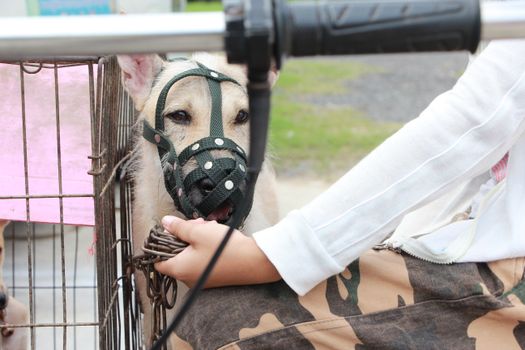
A loose dog is weaving through traffic, a frightened raccoon is trapped in a garage, or a neighbor reports an animal that may be neglected. Who responds when an animal-related problem threatens both public safety and animal welfare? In many communities, that responsibility belongs to an animal control officer. The job involves far more than catching stray pets. Officers investigate complaints, enforce local laws, educate residents, document evidence, and help animals reach appropriate care.
What Does an Animal Control Officer Do?
An animal control officer responds to situations involving domestic animals, livestock, and wildlife. Specific duties depend on local laws and the officer’s employer, but the central goal is to protect people and animals through safe handling, education, and enforcement.
Common responsibilities include:
- Responding to reports of stray, abandoned, injured, or aggressive animals
- Safely capturing and transporting animals
- Investigating suspected abuse, neglect, hoarding, or illegal breeding
- Enforcing licensing, vaccination, leash, nuisance, and dangerous-animal rules
- Interviewing owners, witnesses, and people involved in animal attacks
- Writing reports, issuing warnings or citations, and maintaining case records
- Collecting and preserving evidence for cruelty investigations
- Helping reunite lost pets with their owners
- Coordinating with shelters, veterinarians, wildlife rehabilitators, and police
- Teaching residents how to prevent bites, secure pets, and respond to wildlife
The work requires judgment rather than a one-size-fits-all response. An escaped family pet may simply need to be scanned for a microchip and returned home. A severely injured animal may require immediate veterinary attention, while an abuse complaint could lead to a detailed investigation and court testimony.
Where Animal Control Officers Work
Many officers work for city or county animal services departments. Others are employed by police departments, sheriff’s offices, public health agencies, humane organizations, or contracted shelter operators. Their work may take place in residential neighborhoods, businesses, farms, highways, parks, shelters, veterinary facilities, and courtrooms.
Schedules are not always limited to standard business hours. Animals can create emergencies at any time, so some agencies require evening, weekend, holiday, or on-call shifts. Officers may spend part of the day driving a specialized vehicle and responding to calls, followed by several hours completing reports, cleaning equipment, contacting owners, or preparing evidence.
Conditions can be physically and emotionally demanding. Officers may work outside in heat, rain, snow, or poor lighting. They may enter cluttered properties, lift heavy animals, handle unpleasant odors, or witness serious injuries and neglect. At the same time, successful reunifications, rescues, and cruelty interventions can make the career highly rewarding.
Safety and Public Health Responsibilities
Animal control work carries a risk of bites, scratches, falls, traffic injuries, and exposure to infectious diseases that can pass between animals and people. Officers use protective clothing, gloves, carriers, catch poles, traps, barriers, and other equipment appropriate to the situation. Training emphasizes reading animal behavior, maintaining a safe distance, planning escape routes, and avoiding unnecessary force.
Rabies is an important occupational concern because it is transmitted mainly through contact with saliva from an infected mammal, commonly through a bite. Officers follow agency exposure procedures and may be offered pre-exposure rabies vaccination based on their duties and risk level. Vaccination does not eliminate the need for medical evaluation after a possible exposure.
Anyone bitten or scratched by an unfamiliar or wild animal should immediately wash the wound thoroughly with soap and water and seek prompt medical or public health guidance. An animal control officer can help locate or contain the animal when it is safe to do so, but the officer does not replace evaluation by a healthcare professional.
Education, Training, and Hiring Requirements
A high school diploma or equivalent is the typical minimum educational requirement, although some employers prefer college coursework, professional certificates, or an associate degree. Useful subjects include animal science, criminal justice, biology, veterinary technology, public safety, and communications. Requirements differ by state and municipality, so applicants should review individual job postings carefully.
People interested in strengthening their animal-health knowledge can also explore veterinary programs that support careers in animal health. Veterinary education is not required for every animal control position, but familiarity with anatomy, disease prevention, animal behavior, and basic care can be valuable.
New officers commonly receive on-the-job instruction in:
- Humane capture and restraint methods
- Species-specific behavior and handling
- Local ordinances and relevant state laws
- Evidence collection and report writing
- De-escalation and conflict resolution
- Radio communication and emergency response
- Animal first aid and disease precautions
- Use and maintenance of vehicles and equipment
- Court procedures and professional testimony
Employers may require a valid driver’s license, background check, drug screening, physical assessment, or proof that the applicant can lift a specified amount. Some jurisdictions require certification within a certain period after hiring. Additional credentials in cruelty investigation, disaster response, chemical immobilization, euthanasia, or wildlife handling may help an officer qualify for specialized duties.
Skills That Matter in Everyday Work
Comfort around animals is helpful, but it is only one part of the job. Officers regularly interact with people who are frightened, angry, grieving, embarrassed, or resistant to enforcement. Calm communication can prevent a tense encounter from becoming dangerous.
Strong observation and documentation skills are equally important. A report may later be reviewed by supervisors, veterinarians, attorneys, or a judge. Officers must describe conditions objectively, distinguish what they observed from what others reported, and maintain accurate records.
Physical fitness supports lifting, bending, walking over uneven ground, and controlling equipment. Emotional resilience is also essential. Officers need healthy ways to manage stress while continuing to treat residents and animals with patience and professionalism.
Pay and Growth Potential
Compensation varies by location, employer, experience, union coverage, and shift requirements. According to the U.S. Bureau of Labor Statistics outlook for animal control workers, the median annual wage was $45,660 in May 2025. Employment is projected to grow 4 percent from 2025 to 2035, about as fast as the average for all occupations.
Because animal control is a relatively small occupation, openings may be limited in some areas. Opportunities arise as communities replace departing employees and continue providing animal-law enforcement and public safety services. Applicants with hands-on animal experience, strong writing ability, relevant certifications, and customer-service or law-enforcement backgrounds may be more competitive.
Career Advancement Options
An experienced animal control officer may advance to senior officer, field training officer, cruelty investigator, dispatcher, shelter operations coordinator, supervisor, or department manager. Some move into humane law enforcement, code enforcement, emergency management, wildlife services, veterinary support, or community education.
Advancement usually depends on job performance, experience, leadership ability, continuing education, and knowledge of local law. Learning another language may be useful in multilingual communities, while training in evidence management or interviewing can support investigative roles.
Is This Career a Good Fit?
This career may suit someone who wants practical work that combines animal welfare, public service, investigation, and problem-solving. It is not simply a job for people who love animals. Officers must be prepared to enforce laws, face distressing situations, complete detailed paperwork, and make difficult decisions under pressure.
Prospective applicants can gain relevant experience by volunteering at an animal shelter, assisting a rescue organization, working in a kennel or veterinary setting, or participating in community emergency-response programs. Speaking with local officers or arranging an approved ride-along can also provide a realistic picture of the work. For the right person, becoming an animal control officer offers a meaningful way to improve neighborhood safety while helping animals receive protection and appropriate care.