
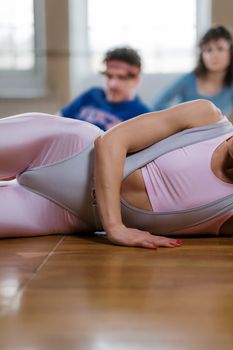
You enjoy the energy of a group workout, naturally encourage others, and often find yourself helping friends learn the movements. Could leading the class become a career? Working as an aerobics instructor can be rewarding, but the role involves much more than exercising in front of a room. Instructors must plan safe sessions, explain movements clearly, monitor participants, manage music and timing, and keep people motivated without pushing them beyond their abilities.
What Does an Aerobics Instructor Do?
An aerobics instructor leads group exercise sessions designed to improve cardiovascular fitness, coordination, muscular endurance, flexibility, or a combination of these areas. Depending on the class, the workout may include dance-based movements, step routines, kickboxing-inspired exercises, low-impact aerobics, water aerobics, indoor cycling, or interval training.
Before class begins, the instructor may check the exercise space, test audio equipment, arrange equipment, and review the session plan. During the workout, the instructor typically demonstrates movements, gives verbal and visual cues, offers easier or more challenging options, and watches for unsafe technique or signs that someone is struggling.
The instructor also sets the emotional tone. Participants may arrive feeling nervous, tired, or self-conscious. A skilled instructor creates a welcoming atmosphere where beginners can participate without embarrassment and experienced members still feel challenged.
Where Do Aerobics Instructors Work?
Common workplaces include health clubs, recreation centers, community organizations, schools, resorts, senior living communities, corporate wellness facilities, and private studios. Some instructors lead classes in clients’ homes, public parks, or rented community spaces. Virtual and hybrid classes have also created opportunities to teach from a studio or home setting.
The schedule is often different from a standard office job. Classes are frequently offered early in the morning, during lunch, in the evening, and on weekends. An instructor may teach for several employers or travel between facilities to build a full schedule. Part-time work is common, particularly for people who teach alongside another job.
The environment can be lively, social, and physically demanding. Instructors may spend much of a class standing, moving, speaking loudly, and demonstrating exercises. They also need time outside class to prepare routines, choose appropriate music, communicate with facility managers, and complete administrative tasks.
How Aerobic Exercise Can Affect Health
Aerobic activity increases breathing and heart rate while engaging large muscle groups. When performed regularly and at an appropriate intensity, physical activity can support cardiovascular health, sleep, mood, blood pressure, weight management, and everyday physical function. The health benefits of regular physical activity can be immediate as well as long term.
However, an aerobics instructor is not a doctor, physical therapist, or registered dietitian unless separately qualified in one of those professions. Instructors should remain within their professional scope. They can provide general exercise guidance and modifications, but they should not diagnose injuries, prescribe treatment, or promise that a workout will cure a medical condition.
Safety requires careful observation. A good instructor explains how participants can reduce impact, shorten their range of motion, lower resistance, or take a break. People who are pregnant, returning after surgery, managing a chronic condition, or recovering from an injury may need guidance from a qualified healthcare professional before beginning or changing an exercise program.
What Qualifications Are Usually Required?
Requirements vary by employer, class format, and location. A high school diploma or equivalent is commonly sufficient for entry into the broader fitness instruction field, although education in exercise science, kinesiology, physical education, recreation, or a related subject may strengthen a candidate’s knowledge and employment options.
Many employers prefer or require a recognized group fitness certification. Certification programs generally cover anatomy, exercise physiology, class design, movement technique, participant screening, communication, and emergency procedures. Specialty programs may be required for branded or equipment-based formats.
CPR and automated external defibrillator certification are also commonly expected, and some facilities require first-aid training. Credentials must usually be renewed periodically through continuing education, retesting, or both. Before selecting a program, applicants should review job advertisements from local employers to see which credentials are accepted.
Important Professional Skills
- Clear verbal instruction and movement cueing
- Safe exercise demonstration and correction
- Awareness of different fitness levels and physical limitations
- Confidence speaking in front of groups
- Music, rhythm, timing, and class-management skills
- Empathy, patience, and positive motivation
- Reliability and punctuality
- Basic emergency response knowledge
Physical fitness matters, but instructors do not need to fit a single body type or perform every movement at maximum intensity. Effective teaching depends more on knowledge, communication, preparation, and the ability to help a diverse group exercise safely.
Challenges to Consider Before Entering the Field
Teaching multiple classes can place repeated stress on the voice, joints, and muscles. Instructors need to manage their own training load rather than performing every class as a personal high-intensity workout. Using clear verbal cues, demonstrating only when necessary, wearing appropriate footwear, and allowing adequate recovery can help make the work more sustainable.
Income may be inconsistent when instructors are paid per class or work as independent contractors. Class cancellations, seasonal attendance, travel time, and unpaid preparation can affect earnings. Some positions may not include health insurance, paid leave, or retirement benefits.
The role also involves interpersonal responsibility. Instructors may need to respond calmly to complaints, disruptive behavior, injuries, or participants who ignore safety instructions. Professional boundaries are essential, especially when participants request medical, nutritional, or personal advice beyond the instructor’s qualifications.
Next Steps Toward Becoming an Aerobics Instructor
Start by attending several types of classes and observing how experienced instructors organize warm-ups, cue transitions, offer modifications, and manage the room. Consider which population and format interest you most, such as dance fitness, active aging, aquatic exercise, step aerobics, or low-impact classes.
Next, review local job listings and speak with fitness managers about their preferred certifications. Complete an appropriate group fitness course, obtain CPR/AED training, and practice teaching short routines. Recording practice sessions can help you evaluate your pacing, voice, posture, and cueing.
Many new instructors benefit from shadowing an experienced professional, assisting with classes, or teaching a brief portion of a session before leading independently. Prepare a simple résumé that highlights certifications, relevant education, customer-service experience, and any background in dance, athletics, coaching, or public speaking.
It is also worth considering how this role fits your broader goals. Reviewing what to seek in your next job can help you compare scheduling, stability, advancement opportunities, workplace culture, and personal satisfaction.
Building a Long-Term Fitness Career
After gaining experience, an aerobics instructor may add specialty credentials, become a personal trainer, mentor new instructors, coordinate group fitness programs, or move into facility management. Some develop independent businesses offering private classes, workplace wellness sessions, online programs, or community events.
Long-term success comes from continuing to learn. Exercise guidance, safety practices, equipment, and participant needs evolve. Instructors who maintain their credentials, seek feedback, adapt classes for different abilities, and protect their own health are better prepared to build a dependable and meaningful career.

